

Lemon Sauce
Introduction
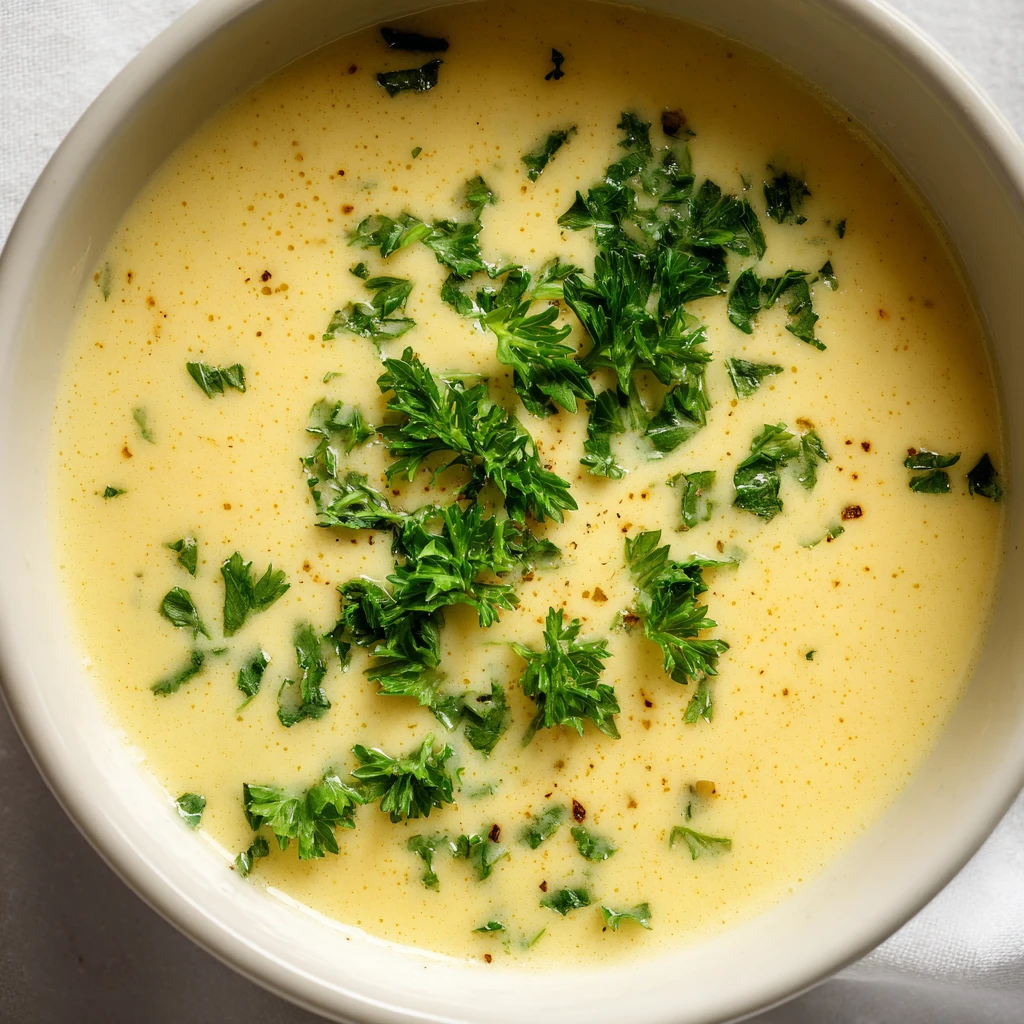
Lemon sauce is a versatile and flavorful addition to many dishes, bringing a burst of citrusy goodness to both sweet and savory recipes. Its tangy and zesty profile can elevate the taste of a simple dish and add a refreshing twist to your meals. Whether you are a fan of tangy flavors or looking to experiment with new ingredients, lemon sauce is a must-try addition to your culinary repertoire.
Why You’ll Love Lemon Sauce
One of the best features of lemon sauce is its ability to brighten up any dish with its fresh and vibrant flavor. Whether you use it as a drizzle, a marinade, or a dressing, the zesty kick of lemon adds a delightful tang that can awaken your taste buds. Additionally, lemon sauce is quick and easy to prepare, making it a convenient option for busy weeknights or last-minute gatherings.
From a health perspective, lemon sauce offers various dietary benefits. Lemons are rich in vitamin C and antioxidants, which can boost your immune system and promote overall well-being. By incorporating lemon sauce into your meals, you can enjoy both the flavor enhancement and the nutritional advantages it provides.
Ingredients
To make a classic lemon sauce, you will need the following ingredients:
– Fresh lemons
– Sugar
– Butter
– Water
– Cornstarch
Feel free to customize the recipe by experimenting with additional ingredients such as honey, herbs, or spices to tailor the flavor to your preferences.
Step-by-Step Instructions
Creating the perfect lemon sauce is a simple process that involves a few easy steps:
1. Start by zesting and juicing fresh lemons to extract their vibrant citrus flavor.
2. In a saucepan, combine the lemon juice, sugar, and water, and bring the mixture to a gentle simmer.
3. In a separate bowl, mix cornstarch with water to create a slurry, then gradually add it to the simmering lemon mixture to thicken the sauce.
4. Remove the saucepan from heat, stir in butter for a creamy finish, and let the sauce cool slightly before serving.
These clear and concise instructions ensure that you achieve a perfect lemon sauce every time.
Expert Tips for Success
For the best results when making lemon sauce, consider the following expert tips:
– Use fresh lemons for the most vibrant flavor.
– Adjust the sugar level to suit your taste preferences, balancing the tartness of the lemons with the sweetness of the sauce.
– Be careful not to overcook the sauce, as it can become too thick or develop a bitter taste.
– Store any leftover lemon sauce in an airtight container in the refrigerator for future use.
Variations and Substitutions
There are endless possibilities for customizing lemon sauce to suit different dishes and flavor profiles. Here are some creative variations and substitutions you can try:
– Add a hint of fresh herbs like basil or thyme for an aromatic twist.
– Substitute honey or maple syrup for sugar to create a naturally sweetened version of the sauce.
– Incorporate spices like ginger or chili flakes for a spicy kick that complements the citrusy notes of the lemon.
Experimenting with these variations can add depth and complexity to your lemon sauce, catering to a range of culinary preferences.
Serving Suggestions
To enjoy lemon sauce to its fullest potential, consider the following serving suggestions:
– Drizzle lemon sauce over grilled seafood or roasted vegetables for a burst of freshness.
– Use it as a dressing for salads or a marinade for chicken or tofu to infuse dishes with a bright citrus flavor.
– Pair lemon sauce with desserts like cakes or pancakes for a tangy contrast that enhances the sweetness of the treat.
By exploring different serving options, you can discover new and exciting ways to incorporate lemon sauce into your meals.
FAQs
Here are some common questions readers may have about making and using lemon sauce:
Q: Can I use bottled lemon juice instead of fresh lemons?
A: While fresh lemons provide the best flavor, bottled lemon juice can be used as a substitute in a pinch. However, adjust the quantity to taste as bottled juice may vary in intensity.
Q: How long can I store lemon sauce?
A: Lemon sauce can be stored in the refrigerator for up to a week. Make sure to cover it tightly to prevent absorption of other flavors.
Q: Can I freeze lemon sauce?
A: Lemon sauce can be frozen for up to three months. Thaw it in the refrigerator overnight before reheating gently on the stovetop.
Final Thoughts
In conclusion, lemon sauce is a delightful addition to any culinary repertoire, offering a burst of citrusy freshness that can transform ordinary dishes into extraordinary creations. Whether you prefer it drizzled over savory dishes or incorporated into sweet treats, the versatility of lemon sauce makes it a must-have condiment in your kitchen. Experiment with different variations, serving suggestions, and substitutions to discover the endless possibilities that lemon sauce brings to your cooking adventures.
Lemon Sauce
A versatile and flavorful lemon sauce that adds a burst of citrusy goodness to both sweet and savory dishes. Its tangy and zesty profile can elevate the taste of simple meals and add a refreshing twist to your culinary creations.
Ingredients
- 4 fresh lemons
- 1 cup sugar
- 1/2 cup butter
- 1 cup water
- 2 tablespoons cornstarch
Directions
- Start by zesting and juicing fresh lemons to extract their vibrant citrus flavor.
- In a saucepan, combine the lemon juice, sugar, and water, and bring the mixture to a gentle simmer.
- In a separate bowl, mix cornstarch with water to create a slurry, then gradually add it to the simmering lemon mixture to thicken the sauce.
- Remove the saucepan from heat, stir in butter for a creamy finish, and let the sauce cool slightly before serving.