

Homemade Yogurt
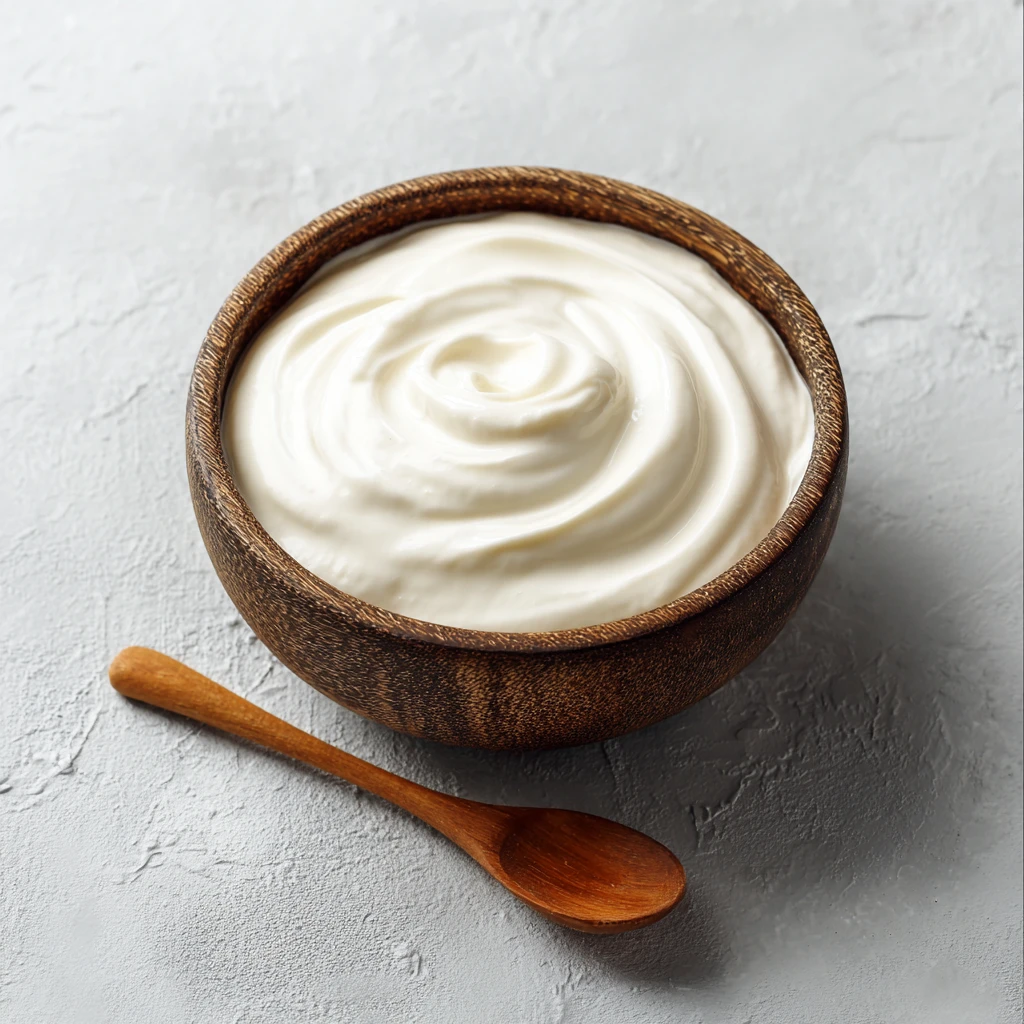
Introduction
Imagine the creamy goodness of homemade yogurt, made with love and care right in your own kitchen. The process of creating this delightful treat is not only rewarding but also surprisingly simple. In this article, we will explore the art of making homemade yogurt, a tradition that has been passed down through generations and cherished for its nutritional benefits and rich taste.
Yogurt holds a special place in many cultures around the world, with each region adding its unique touch to this versatile dairy product. Whether enjoyed plain, topped with fruits and nuts, or used in cooking and baking, yogurt is a staple ingredient that adds a creamy tanginess to a wide variety of dishes.
Join us on this culinary journey as we delve into the magic of homemade yogurt, from the basic ingredients and equipment needed to the step-by-step process of fermentation. By the end of this article, you’ll be equipped with the knowledge and confidence to embark on your yogurt-making adventure.
Get ready to discover the joys of crafting your own velvety yogurt that is not only delicious but also free from additives and preservatives. Let’s dive in!
Why You’ll Love Homemade Yogurt
Homemade yogurt is a game-changer when it comes to flavor and freshness. Unlike store-bought varieties, homemade yogurt allows you to control the ingredients and tailor the taste to your liking. You can adjust the level of tanginess, creaminess, and sweetness to suit your preferences, creating a truly personalized yogurt experience.
Not only is homemade yogurt customizable, but it is also a healthier alternative to many commercial options. By using high-quality milk and live cultures, you can ensure that your yogurt is packed with probiotics and beneficial bacteria that promote gut health and digestion.
Another reason to love homemade yogurt is the cost savings. With just a few simple ingredients and some patience, you can create a large batch of yogurt at a fraction of the price of store-bought versions. Plus, the satisfaction of knowing that you made it yourself adds an extra layer of enjoyment to each spoonful.
Whether you’re a yogurt aficionado looking to elevate your breakfast game or a novice in the world of fermentation, homemade yogurt is a delicious and nutritious addition to any kitchen. Embrace the art of yogurt-making and reap the rewards of this homemade delight.
Ingredients
To make homemade yogurt, you will need the following ingredients:
– Milk (preferably whole milk for a creamier texture)
– Yogurt starter culture or plain yogurt with live active cultures
– Optional: Sweeteners such as sugar, honey, or fruit preserves for flavoring
For those seeking dairy-free options, you can also use alternative milk varieties such as almond milk, soy milk, or coconut milk to create delicious non-dairy yogurt. Experiment with different milk bases to find the perfect combination that suits your taste buds.
When selecting your milk and yogurt starter, opt for high-quality, organic ingredients for the best results. The purity of the ingredients will shine through in the final product, giving you a yogurt that is fresh, flavorful, and full of beneficial bacteria.
Stay tuned for the step-by-step instructions on how to turn these simple ingredients into a creamy batch of homemade yogurt that will rival any store-bought version.
Step-by-Step Instructions
1. Heat the milk: In a saucepan, heat the milk over medium heat until it reaches about 180°F (82°C). Stir occasionally to prevent scorching. Heating the milk helps to denature the proteins and create a thicker consistency in the finished yogurt.
2. Cool the milk: Allow the milk to cool to around 110°F (43°C). This lower temperature is ideal for activating the live cultures without killing them. Use a thermometer to monitor the temperature accurately.
3. Add the yogurt starter: In a small bowl, mix a small amount of the warm milk with the yogurt starter to create a smooth paste. Add this mixture back into the remaining warm milk and stir gently to combine.
4. Incubate the yogurt: Transfer the milk mixture to a clean container or yogurt maker. Cover the container with a lid or plastic wrap and place it in a warm spot to incubate for 6-8 hours. The longer the incubation time, the tangier the yogurt will be.
5. Chill and enjoy: Once the yogurt has set, refrigerate it for a few hours to chill and thicken further. Your homemade yogurt is now ready to be enjoyed plain, topped with your favorite fruits and nuts, or used in recipes as a creamy and nutritious ingredient.
Expert Tips for Success
For the best results when making homemade yogurt, consider the following expert tips:
– Use a clean container and utensils to prevent contamination and off-flavors in your yogurt.
– Maintain a consistent temperature during incubation for optimal yogurt texture and flavor.
– Experiment with different milk types and yogurt cultures to find your perfect combination of taste and consistency.
– Don’t disturb the yogurt during incubation to ensure a smooth and creamy texture.
– Store homemade yogurt in the refrigerator and consume within a week for the freshest taste.
By following these tips and techniques, you can elevate your homemade yogurt game and create batches of delicious yogurt that will impress your taste buds and nourish your body.
Variations and Substitutions
There are endless possibilities for customizing your homemade yogurt to suit your preferences and dietary needs. Here are some variations and substitutions to consider:
– Add fruit purees or extracts to flavor your yogurt naturally.
– Incorporate nuts, seeds, or granola for added crunch and texture.
– Use alternative sweeteners such as agave syrup or stevia for a lower-calorie option.
– Experiment with different spices like cinnamon, cardamom, or vanilla for unique flavor profiles.
Feel free to get creative in the kitchen and explore new ways to enjoy your homemade yogurt. Whether you prefer it plain and simple or loaded with toppings, there is no limit to the delicious combinations you can create.
Serving Suggestions
To serve your homemade yogurt, consider the following suggestions for a delightful dining experience:
– Top your yogurt with fresh berries, sliced bananas, or a drizzle of honey for a sweet and refreshing treat.
– Layer your yogurt with homemade granola and chopped nuts for a satisfying and nutritious breakfast parfait.
– Use your yogurt as a creamy base for smoothies, salad dressings, or marinades to add a probiotic boost to your meals.
Whether enjoyed on its own or incorporated into your favorite recipes, homemade yogurt adds a creamy richness and tangy flavor that enhances any dish. Get creative with your serving ideas and discover new ways to enjoy this versatile dairy delight.
FAQs
Q: Can I use skim milk to make homemade yogurt?
A: While skim milk can be used, it may result in a thinner and less creamy yogurt. Whole milk or 2% milk generally produce a richer and smoother texture.
Q: How long will homemade yogurt last in the refrigerator?
A: Homemade yogurt can typically be stored in the refrigerator for up to 1-2 weeks. Be sure to check for any signs of spoilage before consuming.
Q: Can I freeze homemade yogurt?
A: While freezing yogurt can alter its texture, it can still be used in cooking and baking applications. Thawed yogurt may be slightly watery but can still provide a tangy flavor.
Q: What are the benefits of homemade yogurt compared to store-bought?
A: Homemade yogurt allows you to control the quality of ingredients, adjust the sweetness and tanginess to your preference, and customize flavors to suit your taste.
Final Thoughts
Congratulations on mastering the art of homemade yogurt! By following these simple steps and tips, you have unlocked the secret to creating a creamy, delicious treat that is sure to impress your taste buds and nourish your body. Whether enjoyed for breakfast, as a snack, or in your favorite recipes, homemade yogurt brings a touch of homemade goodness to every dish it touches.
Embrace the tradition of yogurt-making and continue to explore new flavors, textures, and serving ideas to elevate your culinary creations. Share your homemade yogurt adventures with friends and family, and spread the joy of this versatile dairy delight. Cheers to many more batches of homemade yogurt and the delicious moments they will bring to your table!
Homemade Yogurt
Learn how to make delicious homemade yogurt using simple ingredients like milk and yogurt starter. This creamy and tangy treat is customizable, healthier, and cost-effective compared to store-bought options.
Ingredients
- 4 cups whole milk
- 2 tablespoons yogurt starter or plain yogurt with live active cultures
Directions
-
Heat the milk in a saucepan over medium heat until it reaches 180°F (82°C). Stir occasionally.
-
Cool the milk to around 110°F (43°C).
-
Mix a small amount of warm milk with the yogurt starter to create a smooth paste. Add it back to the warm milk and stir gently.
-
Transfer the milk mixture to a container, cover, and incubate in a warm spot for 6-8 hours.
-
Chill the yogurt in the refrigerator for a few hours before serving plain or with desired toppings.