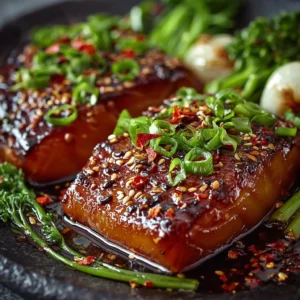

Porcupine Meatballs

Discovering Porcupine Meatballs
One day, while rummaging through my grandmother’s old recipe box, I stumbled upon a yellowed index card titled “Porcupine Meatballs.” Curiosity piqued, I embarked on a culinary adventure to uncover the secrets of this intriguing dish.
As I delved deeper into the history of Porcupine Meatballs, I learned that this classic comfort food originated in the 1950s and has since become a beloved staple in many households. The whimsical name comes from the rice grains that poke out of the meatballs during cooking, resembling the quills of a porcupine.
What makes Porcupine Meatballs truly special is their versatility. Whether simmered in a savory tomato sauce, baked to perfection, or slow-cooked in a crockpot, this dish never fails to bring warmth and nostalgia to the table.
Join me on a culinary journey as we explore the art of crafting these delightful Porcupine Meatballs that are sure to become a family favorite.
Unveiling the Ingredients
To create the perfect batch of Porcupine Meatballs, you’ll need a handful of simple yet essential ingredients. Ground beef, cooked rice, breadcrumbs, onion, garlic, egg, and a medley of herbs and spices come together to form the flavorful base of these delectable meatballs.
Don’t forget to stock up on crushed tomatoes, broth, and tomato paste for the luscious sauce that will envelop the meatballs during cooking. Feel free to customize the seasonings to suit your taste preferences and add a touch of personal flair to the dish.
Before you begin, ensure that your kitchen is brimming with these fresh, high-quality ingredients, as they are the building blocks of a memorable Porcupine Meatball experience.
Now that we have our ingredients assembled, let’s dive into the step-by-step process of bringing these Porcupine Meatballs to life.
Crafting the Perfect Porcupine Meatballs
Begin by combining the ground beef, cooked rice, breadcrumbs, finely chopped onion, minced garlic, beaten egg, and a sprinkle of your favorite herbs and spices in a large mixing bowl. Gently mix the ingredients until well incorporated, being careful not to overwork the mixture.
Shape the meatball mixture into uniform-sized balls, ensuring that each one contains a generous amount of rice for that signature porcupine effect. As you roll the meatballs, envision the joy they will bring to those gathered around your table.
Next, prepare a luscious tomato sauce by simmering crushed tomatoes, broth, tomato paste, and a hint of seasoning in a large skillet. Carefully nestle the meatballs into the simmering sauce, allowing them to cook and absorb the rich flavors that surround them.
As the aroma of simmering meatballs fills your kitchen, take a moment to appreciate the artistry of this humble yet extraordinary dish. With each passing minute, the flavors meld together, creating a symphony of taste that promises to delight your taste buds.
Tips for Serving and Storage
Once your Porcupine Meatballs are cooked to perfection, consider serving them alongside fluffy mashed potatoes, buttered noodles, or a crisp green salad for a well-rounded meal. Garnish with fresh herbs or a sprinkle of Parmesan cheese to elevate the dish to new heights.
If you find yourself with leftovers, fear not! Porcupine Meatballs are known to taste even better the next day as the flavors continue to develop. Store any remaining meatballs in an airtight container in the refrigerator and reheat gently before enjoying another satisfying meal.
Remember, the beauty of Porcupine Meatballs lies in their ability to bring people together around the dinner table, fostering moments of connection and shared joy. Embrace the simplicity and warmth of this timeless dish as you create memories that will last a lifetime.
Porcupine Meatballs
Classic comfort food originating from the 1950s, Porcupine Meatballs are flavorful meatballs with rice grains that poke out during cooking, resembling the quills of a porcupine. This versatile dish can be simmered in tomato sauce, baked, or slow-cooked to perfection.
Ingredients
- 1 pound ground beef
- 1 cup cooked rice
- 1/2 cup breadcrumbs
- 1 small onion, finely chopped
- 2 cloves garlic, minced
- 1 egg, beaten
- Assorted herbs and spices
- 1 can (14 ounces) crushed tomatoes
- 1 cup broth
- 2 tablespoons tomato paste
Directions
- In a large mixing bowl, combine ground beef, cooked rice, breadcrumbs, onion, garlic, beaten egg, and herbs/spices. Mix gently until well incorporated.
- Shape the mixture into uniform-sized balls ensuring each contains rice for the porcupine effect.
- Simmer crushed tomatoes, broth, tomato paste, and seasoning in a large skillet to prepare the sauce.
- Add the meatballs to the simmering sauce and cook until done, allowing the flavors to meld together.
- Serve the Porcupine Meatballs with mashed potatoes, noodles, or salad. Garnish with fresh herbs or Parmesan cheese.
- Store leftovers in an airtight container in the refrigerator and gently reheat before enjoying.