
Roman Pasta
Introduction
Imagine yourself transported back in time to ancient Rome, surrounded by the echoes of bustling streets and the aroma of simmering pots. Roman pasta, a dish that has stood the test of time, embodies the essence of Italian culinary tradition. This recipe is not just a meal but a journey through history, a fusion of flavors that have delighted palates for centuries.
As you delve into the world of Roman pasta, you will uncover a tale of simplicity and sophistication intertwined. From the humble origins of pasta to the grandeur of Roman feasts, this dish carries the legacy of generations past. Its enduring popularity is a testament to its versatility and timeless appeal.
What sets Roman pasta apart is its ability to captivate the senses and evoke a sense of nostalgia. The combination of fresh ingredients, fragrant herbs, and savory sauces creates a symphony of flavors that dance on your taste buds. Each bite tells a story, each ingredient a chapter in the culinary history of Italy.
Prepare to embark on a culinary adventure like no other as we unravel the secrets of Roman pasta, step by step, in all its glory.
Why You’ll Love This Recipe
Indulge in the simplicity and elegance of Roman pasta, a dish that promises a delightful culinary experience. From its quick and easy preparation to its rich and comforting flavors, this recipe is sure to become a favorite in your repertoire. Whether you are a novice in the kitchen or a seasoned chef, Roman pasta offers something for everyone.
One of the best features of this recipe is its adaptability. You can customize it to suit your taste preferences and dietary needs, making it a versatile choice for any occasion. Additionally, the use of fresh, wholesome ingredients ensures a healthy and nourishing meal that will satisfy both body and soul.
Experience the joy of creating a homemade dish that exudes warmth and comfort, perfect for sharing with family and friends. Let the aroma of simmering sauces and al dente pasta transport you to the heart of Italy, where every meal is a celebration of life and love.
Prepare to fall in love with Roman pasta and discover a new favorite that will have you coming back for more.
Ingredients
To recreate the magic of Roman pasta in your own kitchen, you will need the following ingredients:
– Fresh pasta (or dried pasta if fresh is not available)
– Olive oil
– Garlic cloves
– Fresh basil leaves
– Canned tomatoes
– Salt and pepper to taste
– Grated Parmesan cheese
– Optional: red pepper flakes for a hint of spice
Feel free to explore ingredient substitutions based on your preferences. You can add vegetables like mushrooms or spinach for a nutritional boost or experiment with different types of cheese for a unique flavor profile. The beauty of Roman pasta lies in its adaptability, so don’t be afraid to get creative!
Step-by-Step Instructions
1. Start by cooking the fresh pasta according to the package instructions or preparing the dried pasta until al dente.
2. In a pan, heat olive oil over medium heat and add minced garlic cloves. Sauté until fragrant.
3. Add the canned tomatoes to the pan and simmer for a few minutes until the sauce thickens slightly.
4. Season the sauce with salt, pepper, and optional red pepper flakes for a touch of heat.
5. Toss the cooked pasta in the sauce until well coated, adding a splash of pasta water if needed to loosen the sauce.
6. Tear fresh basil leaves and sprinkle them over the pasta, then top with grated Parmesan cheese.
7. Serve hot and garnish with additional basil leaves and cheese for an extra burst of flavor.
Follow these simple steps to create a delicious bowl of Roman pasta that will transport you to the streets of ancient Rome with every bite.
Expert Tips for Success
For the best results, use high-quality ingredients such as San Marzano tomatoes for an authentic Italian flavor. Fresh basil adds a fragrant touch to the dish, so don’t skimp on this essential herb. When cooking the pasta, make sure to reserve some pasta water to help bind the sauce to the noodles.
To avoid common mistakes, do not overcook the pasta, as it should be al dente to maintain its texture and bite. Taste the sauce as you season it to ensure the perfect balance of flavors. Feel free to adjust the seasoning according to your taste preferences.
Variations and Substitutions
There are endless possibilities for customizing your Roman pasta recipe. You can incorporate protein sources such as grilled chicken or shrimp for a heartier meal. Vegetarians can add roasted vegetables like bell peppers or zucchini for a colorful twist.
If you prefer a creamy sauce, you can mix in a dollop of ricotta cheese or heavy cream to create a luscious texture. Experiment with different herbs and spices to elevate the dish to new heights of flavor. The beauty of Roman pasta is its versatility, so feel free to let your creativity shine!
Serving Suggestions
To fully enjoy the flavors of Roman pasta, serve it hot with a generous sprinkle of Parmesan cheese on top. Pair it with a crisp green salad dressed in balsamic vinaigrette for a refreshing contrast. A glass of red wine or sparkling water complements the meal perfectly and enhances the dining experience.
For a complete Italian feast, consider serving antipasto platters with cured meats and cheeses as appetizers. Tiramisu or gelato make delightful dessert options to round off the meal on a sweet note. Embrace the Italian way of dining by savoring each bite and sharing good food with great company.
FAQs
Q: Can I use gluten-free pasta for this recipe?
A: Yes, you can substitute gluten-free pasta for the traditional variety to accommodate gluten sensitivities or dietary restrictions.
Q: How long will the leftovers last?
A: Store any leftover Roman pasta in an airtight container in the refrigerator for up to 3 days. Reheat gently in the microwave or on the stovetop before serving.
Q: Can I freeze the sauce?
A: Yes, you can freeze the tomato sauce for up to 3 months in a freezer-safe container. Thaw overnight in the refrigerator before reheating and serving with freshly cooked pasta.
Q: What wine pairs well with Roman pasta?
A: A medium-bodied red wine such as Chianti or Sangiovese complements the robust flavors of Roman pasta beautifully. Alternatively, a crisp Pinot Grigio offers a refreshing contrast to the rich sauce.
Final Thoughts
As you reach the end of this culinary journey through the flavors of Rome, we hope you are inspired to recreate the magic of Roman pasta in your own kitchen. This timeless recipe pays homage to the rich culinary heritage of Italy and invites you to experience the joy of cooking with passion and creativity.
Whether you are hosting a dinner party or simply craving a comforting meal, Roman pasta is a versatile and satisfying option that never fails to impress. Embrace the traditions of Italian cuisine, savor each bite, and share the love of good food with those around you.
So, gather your ingredients, set the table with care, and let the aroma of simmering sauce fill your home with warmth and nostalgia. Dive into a bowl of Roman pasta and taste the flavors of history, one delicious forkful at a time.
Buon appetito!
Roman Pasta
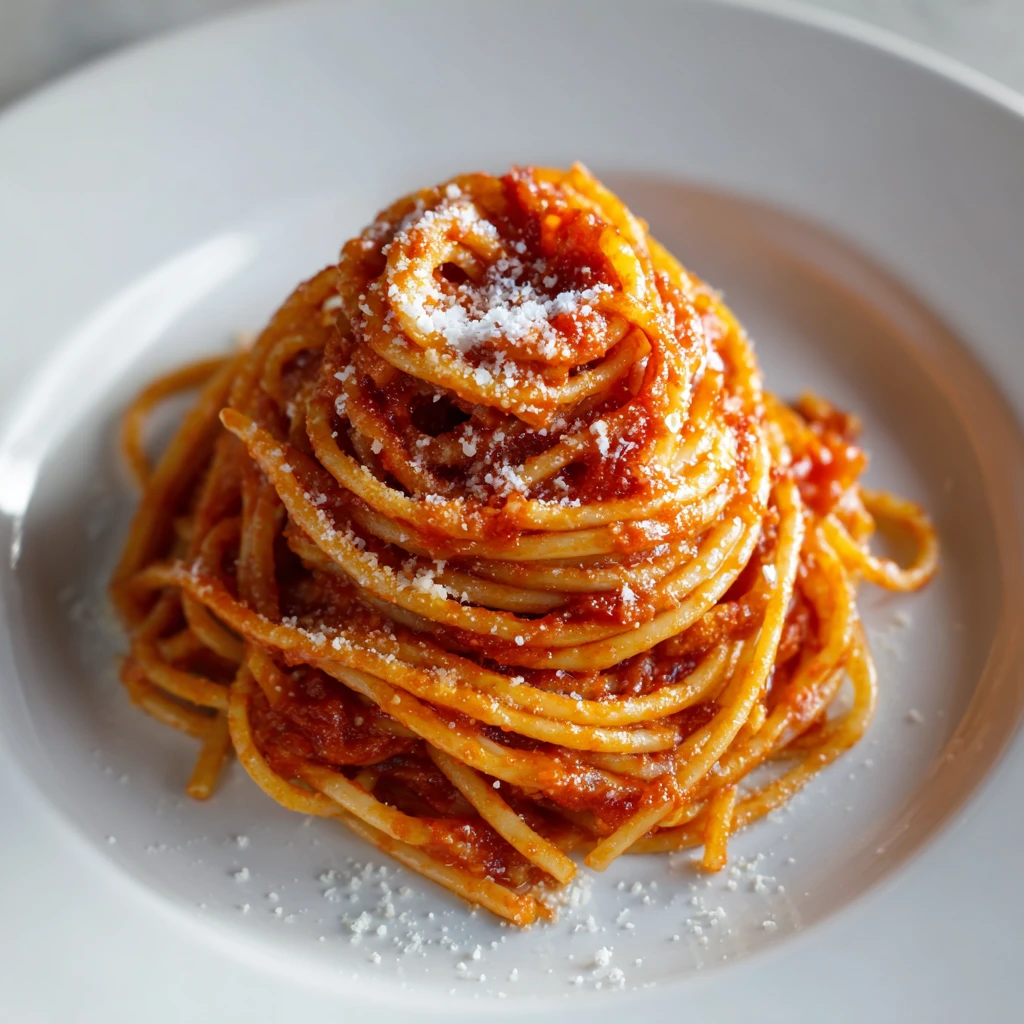
Experience the flavors of ancient Rome with this timeless Roman pasta recipe, featuring a delicious tomato-based sauce infused with garlic, basil, and Parmesan cheese. This classic dish offers a journey through Italian culinary history with its simple yet sophisticated flavors.
Ingredients
- Fresh pasta (or dried pasta if fresh is not available)
- Olive oil
- Garlic cloves
- Fresh basil leaves
- Canned tomatoes
- Salt and pepper to taste
- Grated Parmesan cheese
- Optional: red pepper flakes for a hint of spice
Directions
-
Start by cooking the fresh pasta according to the package instructions or preparing the dried pasta until al dente.
-
In a pan, heat olive oil over medium heat and add minced garlic cloves. Sauté until fragrant.
-
Add the canned tomatoes to the pan and simmer for a few minutes until the sauce thickens slightly.
-
Season the sauce with salt, pepper, and optional red pepper flakes for a touch of heat.
-
Toss the cooked pasta in the sauce until well coated, adding a splash of pasta water if needed to loosen the sauce.
-
Tear fresh basil leaves and sprinkle them over the pasta, then top with grated Parmesan cheese.
-
Serve hot and garnish with additional basil leaves and cheese for an extra burst of flavor.