

Korean Fermented Cabbage Kimchi
Introduction
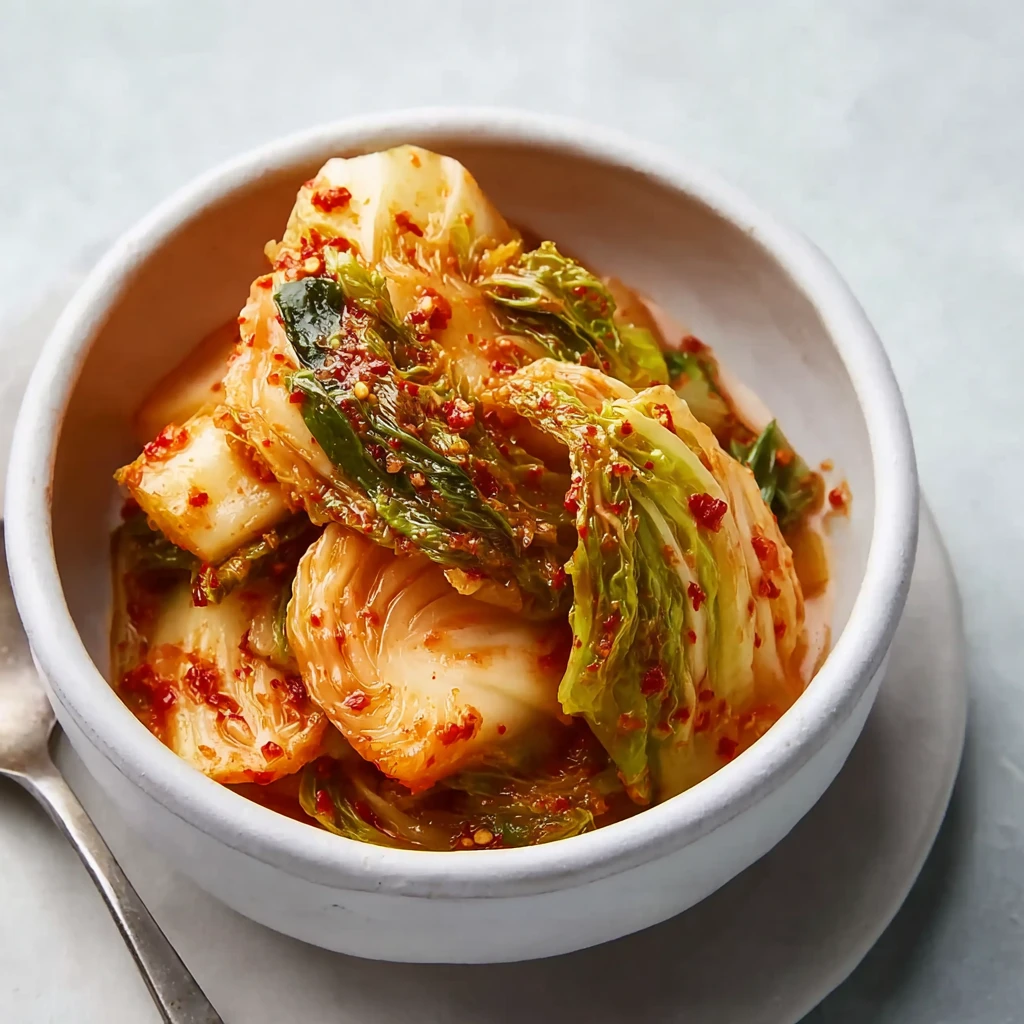
Korean fermented cabbage kimchi is a beloved dish that holds a special place in Korean cuisine and culture. Dating back thousands of years, kimchi has been a staple food in Korean households, known for its unique blend of flavors and health benefits. The process of fermenting cabbage with a mix of spices and seasonings creates a dish that is not only delicious but also packed with probiotics and nutrients.
Every Korean family has its own recipe for kimchi, passed down through generations, making each batch a labor of love and tradition. The tangy, spicy, and umami-rich flavors of kimchi make it a versatile dish that can be enjoyed on its own or used as an ingredient in various Korean dishes.
In this article, we will delve into the art of making Korean fermented cabbage kimchi, exploring the ingredients, step-by-step instructions, and tips for success to help you create a flavorful batch of this iconic dish in your own kitchen.
Get ready to embark on a culinary journey to discover the secrets of making authentic Korean kimchi that will tantalize your taste buds and bring a taste of Korea to your home.
Why You’ll Love This Recipe
There are several reasons why you’ll fall in love with making your own Korean fermented cabbage kimchi:
First and foremost, the homemade version allows you to customize the level of spiciness and tanginess to suit your taste preferences. You can adjust the seasonings and fermentation time to create a batch of kimchi that is perfectly tailored to your liking.
Additionally, making kimchi at home ensures that you know exactly what goes into your dish, avoiding any preservatives or artificial additives commonly found in store-bought versions. This guarantees a fresh and wholesome final product that is both delicious and nutritious.
Furthermore, the process of making kimchi is a satisfying and therapeutic experience. From preparing the ingredients to mixing the seasonings and watching the fermentation magic happen, each step is a labor of love that results in a flavorful and aromatic dish that you can be proud of.
Lastly, the health benefits of kimchi cannot be overlooked. Packed with vitamins, minerals, and beneficial bacteria, kimchi is a probiotic powerhouse that supports gut health and boosts the immune system. Incorporating kimchi into your diet can contribute to overall well-being and digestive wellness.
Ingredients
To make a batch of delicious Korean fermented cabbage kimchi, you will need the following ingredients:
– 1 large Napa cabbage
– 1 cup Korean coarse sea salt
– 1 daikon radish, julienned
– 4 green onions, chopped
– 1/2 cup Korean red pepper flakes (gochugaru)
– 1/4 cup fish sauce
– 1/4 cup minced garlic
– 1 tablespoon minced ginger
– 1 tablespoon sugar
Optional ingredient substitutions:
If you prefer a vegetarian version of kimchi, you can substitute fish sauce with soy sauce or tamari for a umami flavor. Additionally, you can adjust the level of spiciness by increasing or decreasing the amount of Korean red pepper flakes according to your taste.
Step-by-Step Instructions
Follow these simple steps to create your own batch of Korean fermented cabbage kimchi:
1. Cut the Napa cabbage in half lengthwise, then chop it into bite-sized pieces. Place the cabbage in a large bowl and sprinkle Korean coarse sea salt between the leaves. Let it sit for 2 hours, flipping the cabbage halfway through.
2. Rinse the salted cabbage thoroughly to remove excess salt. Squeeze out any excess water and set aside.
3. In a separate bowl, combine the julienned daikon radish, chopped green onions, Korean red pepper flakes, fish sauce, minced garlic, minced ginger, and sugar. Mix well to create the kimchi seasoning paste.
4. Gently massage the seasoning paste onto each cabbage leaf, ensuring that the cabbage is evenly coated with the mixture.
5. Transfer the seasoned cabbage into an airtight container, pressing down firmly to remove any air bubbles. Leave some space at the top of the container to allow for fermentation.
6. Seal the container and let it ferment at room temperature for 1-2 days before transferring it to the refrigerator. The longer you ferment the kimchi, the tangier and more flavorful it will become.
Expert Tips for Success
For the best results when making Korean fermented cabbage kimchi, keep these expert tips in mind:
– Use Korean coarse sea salt for salting the cabbage, as it helps to draw out moisture without overpowering the flavors.
– Adjust the amount of red pepper flakes based on your spice tolerance. Remember, you can always add more later if you prefer a spicier kimchi.
– Allow the kimchi to ferment at room temperature before refrigerating to develop its signature tangy flavor. Taste it periodically to determine the level of fermentation you prefer.
Avoid common mistakes such as using table salt instead of Korean coarse sea salt, which can result in overly salty kimchi, or fermenting the kimchi in a tightly sealed container, which can lead to excessive pressure buildup.
Variations and Substitutions
There are endless ways to customize your Korean fermented cabbage kimchi:
– Add shredded carrots or Asian pear for a touch of sweetness.
– Include sliced onions or garlic chives for added complexity.
– Experiment with different types of radishes or vegetables to create unique flavor profiles.
– For a vegan version, omit fish sauce and substitute with soy sauce or miso paste for depth of flavor.
Feel free to get creative with your kimchi recipe and tailor it to your preferences for a truly personalized culinary experience.
Serving Suggestions
Korean fermented cabbage kimchi can be enjoyed in a variety of ways:
– Serve it as a side dish alongside steamed rice and grilled meats for a traditional Korean meal.
– Incorporate kimchi into stir-fries, soups, stews, or fried rice for added flavor and depth.
– Use kimchi as a topping for tacos, sandwiches, or burgers to bring a spicy kick to your favorite dishes.
– Enjoy kimchi on its own as a flavorful and probiotic-rich snack.
Pair kimchi with refreshing beverages such as traditional Korean rice wine (makgeolli) or green tea to balance the spicy flavors and cleanse the palate.
FAQs
Here are some common questions and answers to guide you through the kimchi-making process:
Q: How long does kimchi last in the refrigerator?
A: Properly stored kimchi can last for several months in the refrigerator, with the flavors continuing to develop over time.
Q: Can I adjust the level of spiciness in kimchi?
A: Yes, you can customize the spiciness by increasing or decreasing the amount of red pepper flakes in the seasoning paste.
Q: Is kimchi suitable for vegetarians?
A: While traditional kimchi contains fish sauce, you can make a vegetarian version by using soy sauce or tamari as a substitute.
Experiment with different ingredients and fermentation times to find the perfect balance of flavors that suit your taste preferences.
Final Thoughts
Embark on a culinary adventure by creating your own batch of Korean fermented cabbage kimchi at home. This iconic dish not only offers a burst of flavors but also provides numerous health benefits that support your well-being.
With the right ingredients, techniques, and a touch of creativity, you can craft a delicious and personalized kimchi that will impress your taste buds and elevate your meals to new heights.
So roll up your sleeves, gather your ingredients, and immerse yourself in the art of making Korean kimchi. Let the aromas and flavors transport you to the vibrant streets of Seoul as you savor each bite of this timeless Korean delicacy.
Experience the joy of fermenting cabbage, creating a culinary masterpiece, and sharing the love of kimchi with your family and friends. Get ready to enjoy a taste of Korea in every mouthful of this homemade fermented delight.
Korean Fermented Cabbage Kimchi
Experience the art of making authentic Korean fermented cabbage kimchi at home, a dish packed with unique flavors, probiotics, and nutrients. Customize the spiciness and tanginess to suit your taste while enjoying the therapeutic process of fermenting cabbage with a blend of traditional seasonings.
Ingredients
- 1 large Napa cabbage
- 1 cup Korean coarse sea salt
- 1 daikon radish, julienned
- 4 green onions, chopped
- 1/2 cup Korean red pepper flakes (gochugaru)
- 1/4 cup fish sauce
- 1/4 cup minced garlic
- 1 tablespoon minced ginger
- 1 tablespoon sugar
Directions
- Cut the Napa cabbage in half lengthwise, then chop it into bite-sized pieces. Place the cabbage in a large bowl and sprinkle Korean coarse sea salt between the leaves. Let it sit for 2 hours, flipping the cabbage halfway through.
- Rinse the salted cabbage thoroughly to remove excess salt. Squeeze out any excess water and set aside.
- In a separate bowl, combine the julienned daikon radish, chopped green onions, Korean red pepper flakes, fish sauce, minced garlic, minced ginger, and sugar. Mix well to create the kimchi seasoning paste.
- Gently massage the seasoning paste onto each cabbage leaf, ensuring that the cabbage is evenly coated with the mixture.
- Transfer the seasoned cabbage into an airtight container, pressing down firmly to remove any air bubbles. Leave some space at the top of the container to allow for fermentation.
- Seal the container and let it ferment at room temperature for 1-2 days before transferring it to the refrigerator. The longer you ferment the kimchi, the tangier and more flavorful it will become.